


November 08, 2026
Doug Stone
November 10, 2026
,
Doug Stone
Why Choose Local Pet Stores for Your Pet's Needs
Quick Summary
Local pet stores give you knowledgeable staff who can ask about your pet's age, size, activity level and health history, then suggest products that fit. They also carry a carefully chosen range, which helps when you need something specific, like a single-ingredient treat for a sensitive stomach.
- Bring questions to store staff before you buy to avoid wasted food.
- Read the first few ingredients, since they make up most of the food.
- Compare total cost, including shipping and returns, not just shelf price.
- Introduce new food slowly by mixing it with the old over about a week.
- Ask stores where their ingredients come from and how they source animals.
Want advice that fits your pet?The Family Pet offers personal guidance, curated food and treats, and local delivery.
Shop With Us Today
Table of Contents
- Why Local Pet Stores Are Worth a Closer Look
- Getting Expert Advice From Staff Who Know Pets
- How to Choose Pet Food That Fits Your Pet
- Local Pet Store vs. Big Chain: The Honest Trade-Offs
- Local Pet Food Delivery Near Nanuet
- Shopping Local Supports Your Community
- A Simple Checklist for Choosing Your Pet's Store
- Frequently Asked Questions
Why Choose Local Pet Stores for Your Pet's Needs
Last Updated: November 10, 2026
Why Local Pet Stores Are Worth a Closer Look
Local pet stores give pet parents something a big online cart can't: a real person to talk to about the food, toys and treats your pet actually needs. At The Family Pet, a family-owned shop in Nanuet, New York, we value that personal connection. If you've ever wondered whether a local pet store is worth the trip, this guide walks through what you'll gain, what you might give up, and how to decide.
Local pet stores often carry a more carefully chosen range than the big chains. That can matter when you're trying to find something specific, like a single-ingredient treat for a dog with a sensitive stomach. Below, we'll cover the trade-offs honestly, so you can make the call that fits your household.
Getting Expert Advice From Staff Who Know Pets
Here's the thing about pet care: the right answer depends on the animal in front of you. A high-energy young lab and a senior cat with kidney concerns need very different things, and a shelf label can't tell you which one fits your home.
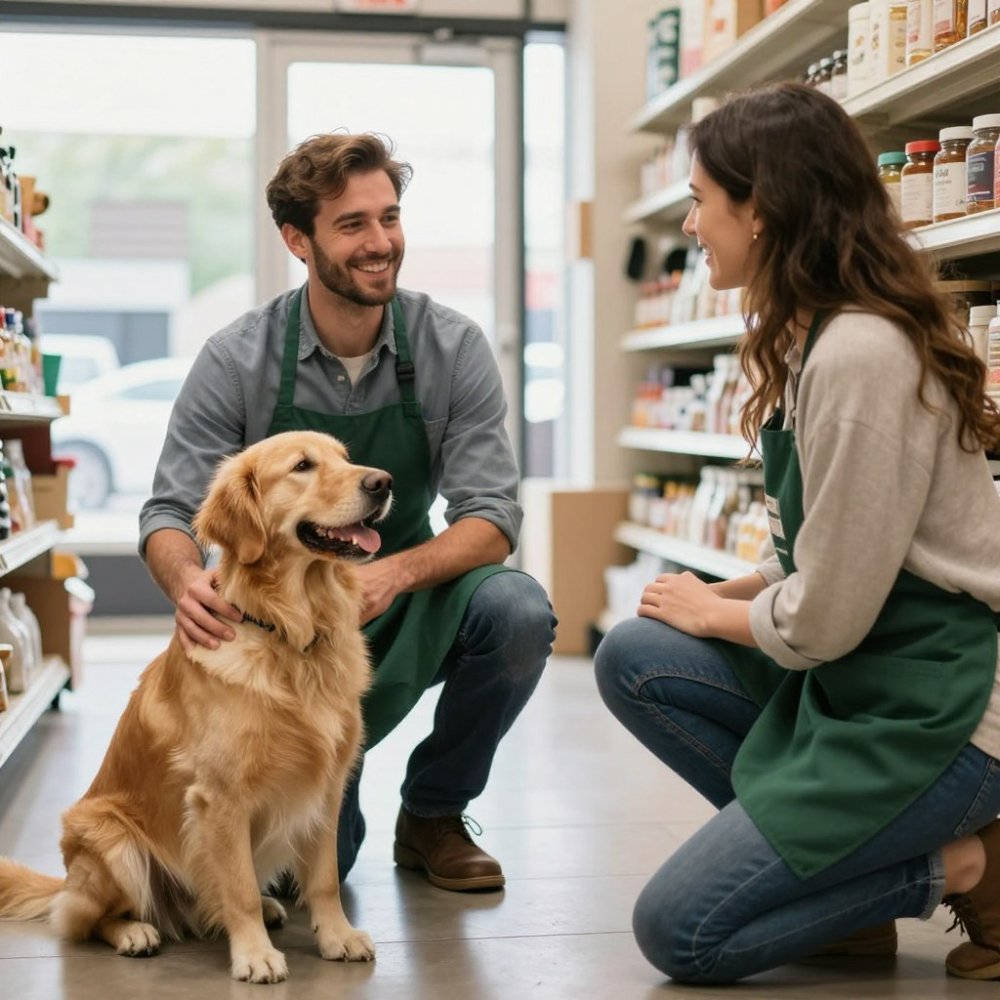
That's where knowledgeable staff make a difference. A good local store team can ask about your pet's age, size, activity level and any health history, then point you toward options that suit them.
A common mistake is treating store staff as a last resort. Bring your questions in before you buy. A friendly "Is this a good choice for a dog who's a picky eater?" can save you a bag of food nobody wants to finish. Remember too that for medical questions, your veterinarian has the final say, so use store advice as a starting point.
How to Choose Pet Food That Fits Your Pet
Picking food can feel overwhelming, especially with so many labels making big promises. A simple approach helps. Start with your pet's life stage and size, then look at the ingredient list. The first few ingredients make up most of the food, so read those first.
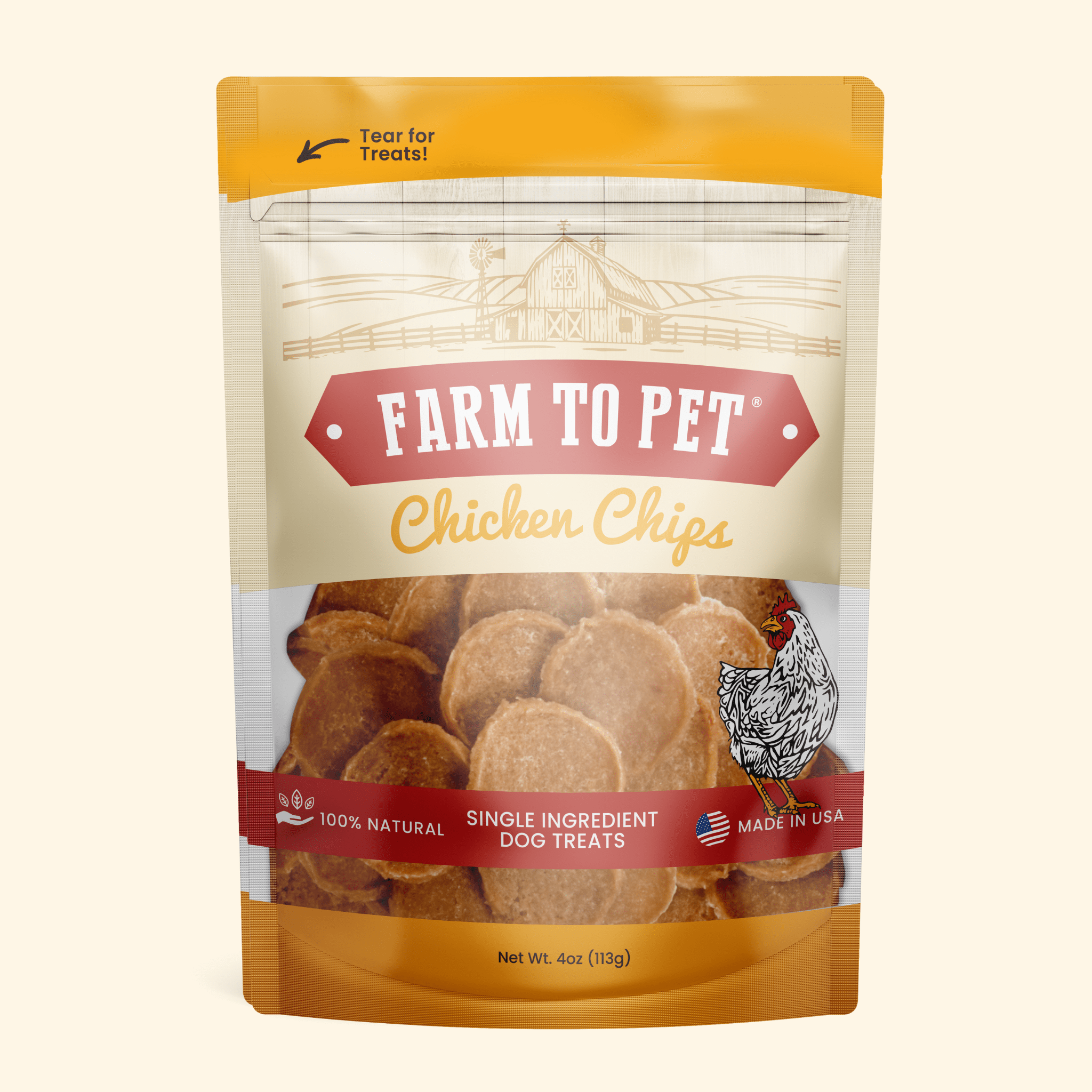
Watch for vague terms like "meat by-products" if you want to know exactly what's inside. Single-ingredient options, such as our Chicken Chips for Dogs, are easy to understand because the label names one thing. For treats, portion size matters too. Treats like these are low in calories, so it's still a good idea to keep portions small.
Whenever you switch foods, go slowly. Mix a little of the new food with the old over about a week. If your pet has allergies or a health condition, check with your veterinarian before changing anything.
Local Pet Store vs. Big Chain: The Honest Trade-Offs
Big chains and online retailers have real strengths, and it's worth saying so plainly. They often carry a huge selection, stay open late, and can ship quickly. If you need one specific item at 10 p.m., a big retailer or a delivery app may be your only option. Local stores may not be able to match that.
Where local stores tend to pull ahead is in the things a shelf can't do: asking about your pet, steering you away from a food that won't work, and helping you read a label. That guidance has value, but it's hard to put a number on it, so the fair way to compare is to look at total value rather than sticker price alone.
Here's how to weigh the trade-offs in practice:
- Price and total cost. A lower shelf price isn't always a lower total cost. Factor in shipping, subscription terms, and whether you'll end up buying a second bag because the first one didn't work. A slightly higher price on a food your pet actually finishes can be the better deal.
- Hours and availability. Big chains and online retailers usually win on late-night and hard-to-find items. Local stores win on having someone to call when you're not sure what to buy. Check store hours and whether they'll hold an item for you before you make the drive.
- Returns and exchanges. Return policies vary a lot. Ask a local store what happens if your pet won't eat a food or a toy doesn't fit. Many independent shops handle this in person, which can be simpler than shipping a return back.
- Delivery and pickup. Local delivery can be convenient, but coverage and schedules change, so confirm the details directly with the store. Online subscriptions are convenient but can be harder to pause or change.
- Advice and follow-up. This is the local store's real edge. A staff member who remembers your pet's name and diet can save you money over time by helping you avoid products that don't fit.
Our loyalty program, The Family Pet Best In Show Membership, is one way we try to reward shopping with us. The membership is $15 per month, credits $10 in store credit each month, lets members earn PawPoints, and offers shipping discounts, including free shipping on orders over $50. Compare that against what you spend now before deciding if it's right for you.
Best for: Pet parents who want guidance, a curated selection, and a real person to ask questions. Skip if: You only buy one fixed product, never need advice, and shop at odd hours.
Watch out: don't assume a local store is cheaper or a big chain is more expensive. Compare the total cost of what you'll actually buy, including shipping and returns, before you switch where you shop.
Local Pet Food Delivery Near Nanuet
Shopping local doesn't have to mean making the drive every time. If you live in or around Nanuet, home delivery may be an option. Check current delivery areas and schedules directly with the store before you order, since coverage can change.
Plan ahead for your pet's staples. Setting a regular reorder schedule means you won't run out of food on a busy weekend.
Shopping Local Supports Your Community
When you buy from a family-owned pet store, a larger share of your spending tends to stay in your area. That money can support local jobs, other neighborhood businesses, and community events. Many local owners know their customers by name, which can build a sense of trust.
But "local" and "responsible" aren't automatically the same thing. The useful skill is knowing how to ask. Here's what to look for when you want to understand where a store's products and animals come from:
- Ask about breeder and adoption relationships. If a store works with breeders or rescue groups, ask how those relationships started and how long they've lasted. A good store should be able to describe them without hesitation.
- Ask about supplier standards. For food and treats, ask where the ingredients are sourced and whether the store has visited or vetted the producer.
- Ask about animal care. If a store sells live animals, ask who cares for them, what happens if one gets sick, and whether they work with a veterinarian. Responsible stores welcome these questions.
- Ask about adoption partnerships. Some local stores host rescue adoption events or keep adoption information on hand.
- Ask about product safety and recalls. A store that tracks recalls and can tell you which products have been pulled is looking out for you.
You don't need to interrogate anyone. A simple "Can you tell me where this comes from?" is enough to start. A store that answers clearly and without defensiveness is usually one you can trust. A store that dodges the question is telling you something too.
Watch out: broad claims like "humanely sourced" or "local" on a label aren't regulated the same way across products. Ask what the term means for that specific item rather than assuming it means the same thing everywhere.
A Simple Checklist for Choosing Your Pet's Store
Use this quick list when you're comparing stores:
- Can the staff answer questions about your pet's specific needs?
- Does the selection match your pet's diet and lifestyle?
- Are product labels clear, with ingredients easy to read?
- Is delivery or pickup convenient for your schedule?
- Are pricing and membership terms easy to understand?
- Does the store explain where its products come from?
Work through the list with a store you're considering, and trust your instincts. A good local shop should be glad to answer every question, no matter how small. There's no such thing as a silly question when it comes to your pet's health and happiness.
Ready to see what a local pet store can do for your pet? Stop by The Family Pet or shop online to find food, treats and supplies chosen with your pet in mind.
Frequently Asked Questions
What makes a local pet store different from a big chain?
A local pet store usually has a smaller, more carefully chosen selection and staff who can spend time getting to know your pet. Big chains often offer lower prices and more products under one roof. Many pet owners find that the right mix is a local store for everyday advice and food, plus a chain or online order for bulk items when they want to save. Ask the staff what they carry and why before you decide.
Can a local pet store help me pick the right food for my pet?
Yes. Staff at a local pet store can ask about your pet's age, size, activity level and any sensitivities, then suggest foods that fit those needs. They can also explain ingredient lists in plain language. Their advice is a starting point, so talk with your veterinarian before any big diet change, especially if your pet has a health condition.
Do local pet stores deliver?
Many local pet stores offer home delivery or online ordering with pickup, which can make restocking easier. Check the store's website or call to confirm whether they deliver to your area, what the delivery options are, and whether they offer any member discounts or shipping rewards. Delivery details can change, so confirm before you order.
Is shopping at a local pet store worth it if it costs a little more?
It depends on what you value. A local store may cost more for some items, but you may get personal service and quick answers to questions. If you buy regularly, ask about loyalty programs. At The Family Pet, the Best In Show membership is $15.00 per month and gives you $10 in store credit each month, plus PawPoints you can trade for order credits.


Leave a comment