


November 21, 2026
Doug Stone
November 22, 2026
,
Doug Stone
Benefits of Human Grade Pet Food for Dogs and Cats
Last Updated: November 22, 2026
Quick Summary
Human grade pet food is made with ingredients and in facilities that meet the same handling standards used for food people eat, which can mean tighter sourcing and sanitation. The term is a labeling claim rather than a government seal, so it doesn't guarantee nutritional balance. Check the label for a complete and balanced statement for your pet's life stage.
- Human grade means ingredients are handled to standards that apply to food people eat.
- It is a labeling term, not a single government approval, so read the full label.
- Human grade does not prove a food is complete and balanced for your pet.
- Look for an AAFCO nutritional adequacy statement matched to your pet's life stage.
- Transition to a new food slowly over about a week to avoid stomach upset.
Table of Contents
- What Human Grade Pet Food Means, in Plain English
- Human Grade Versus Feed Grade: Why the Label Matters
- The Benefits of Human Grade Pet Food for Dogs
- The Benefits of Human Grade Pet Food for Cats
- Is Human Grade Dog Food Better? The Pros and Cons
- Keeping Fresh or Lightly Cooked Food Safe at Home
- Choosing Your Pet's Next Food, and Where to Start at The Family Pet
- Frequently Asked Questions
What Human Grade Pet Food Means, in Plain English
Human grade pet food is a term you'll see on bags and cans all over the pet aisle, and it can sound more impressive than it actually is. In simple terms, it means the ingredients and the food itself meet the same safety standards that apply to food people eat.
Here's the short version: human grade means the food was made in a facility that handles food for people, using ingredients that could legally be sold for human consumption. That's a meaningful standard, and it's one of the reasons many pet parents are curious about this category.
You may wonder whether "human grade" is an official rule. It's a labeling term rather than a single government approval, and the specific requirements depend on how the food is made and labeled (the FDA). If you want to read up on how pet food labeling works in the United States, the FDA guidance on pet food labeling is a good place to begin.
Human Grade Versus Feed Grade: Why the Label Matters
Every pet food ingredient falls into one of two broad buckets: human grade or feed grade. Feed grade ingredients are legally approved for animal feed, and that is a perfectly legitimate category, most conventional kibble is built on it. The difference is not "safe versus unsafe." It is about which supply chain the ingredient is allowed to come from and how it is handled along the way.
Here is the plain-English version of the difference:
- Human grade means the ingredient is stored, handled, and processed in a way that meets the standards for food people eat, and it is made in a facility that handles food for people. In practice, that usually means the same plants, the same sanitation programs, and the same record-keeping that a human food manufacturer would use.
- Feed grade means the ingredient meets the standards for animal feed. That allows sources and handling steps that would not be permitted in human food, for example, certain rendered products, by-products, and ingredients from facilities that only handle animal feed.
Neither label tells you whether the food is complete and balanced, and neither one guarantees your pet will thrive on it. What human grade does tell you is that the ingredient side of the equation was held to a tighter handling standard. That is a real difference, and it is why the term shows up on so many bags.
How to actually check a human grade claim. The phrase itself is a labeling term, not a government seal, so the label alone will not prove it. A few practical steps help:
- Look for the words "human grade" on the package, not just "premium," "natural," or "holistic." Those three words are marketing language with loose definitions, and they tell you very little about sourcing or handling.
- Check the manufacturer's website for where the food is made and whether the facility also produces food for people. A company that can name its plant and its ingredient suppliers is usually a company that has done the work.
- Look for a complete and balanced statement from the Association of American Feed Control Officials (AAFCO). This is separate from the human grade claim, and it is the part that tells you the food meets a recognized nutritional profile for a life stage.
- Call or email the company if the label is vague. A straightforward answer about sourcing and facilities is a good sign; a runaround is informative too.
Watch out: a bag can say "made with human grade ingredients" while only some of the ingredients qualify. Read carefully, "made with" is not the same as "made from," and the difference matters when you are comparing two bags side by side.
Our staff has over 30 years of experience in the pet care space, and the advice we give is always the same: read the whole label, not just the front. The front panel is designed to sell. The ingredient list, the nutritional adequacy statement, and the manufacturer's contact information are where the real answers live.
The Benefits of Human Grade Pet Food for Dogs
When people ask us about human grade dog food, they usually want to know what they'll actually notice at home. Every dog is different, so results from one household won't necessarily match another's.
Take the Honest Kitchen Clusters Whole Grain Beef & Oat Dry Dog Food, priced at $38.99. It's made with recognizable ingredients like ranch-raised beef, oats, and carrots, and it's cold-pressed into bite-sized clusters. For a dog who likes a scoop-and-serve kibble, that's an example of what a human grade approach can look like. You can anchor words to see the full product listing.
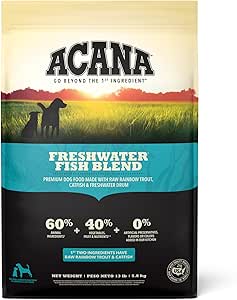
A Pup Above Grain Free Texas Beef Stew is a fresh dog food option, if you'd prefer a food that's closer to home cooking. Fresh and lightly cooked foods take more handling, so be sure to read the storage instructions before you buy. You can anchor words to browse fresh options from this store.
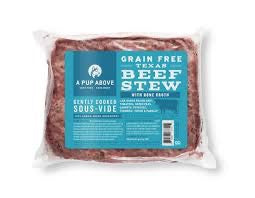
Here is a quick look at the two dog food examples the article mentions, so you can compare them at a glance.
| Product | Price | Format |
|---|---|---|
| Honest Kitchen Clusters Whole Grain Beef & Oat | $38.99 | Dry kibble clusters |
| A Pup Above Grain Free Texas Beef Stew | Not stated | Fresh food |
The Benefits of Human Grade Pet Food for Cats
Cats are a different story. They're obligate carnivores, which means their diets need to be built around animal protein.
If you're thinking about a fresh or raw-style diet for your cat, slow down and do your homework first. There are real food safety and nutritional balance questions to weigh. Our guide on anchor words walks through what to know before you switch.
Is Human Grade Dog Food Better? The Pros and Cons
Here is the honest answer: it depends on your dog, your household, and what you mean by "better." Human grade describes how ingredients are sourced and handled. It is not a promise about nutrition.
The real pros:
-
A tighter handling standard on the ingredient side. Human grade ingredients come from facilities that handle food for people, which usually means more rigorous sanitation and sourcing programs.
-
Recognizable ingredients. You are more likely to see named meats, whole grains, and vegetables rather than vague categories.
The real cons:
- Higher cost. Human grade sourcing and smaller production runs usually cost more per pound than conventional kibble. Whether that is worth it depends on your budget and your priorities.
- Storage and prep demands. Fresh and lightly cooked options need refrigerator or freezer space, and some require portioning and thawing. That is a real lifestyle trade-off, not a small one.
- The label does not prove nutritional adequacy. A food can be human grade and still be incomplete for your dog's life stage. You still need to check the AAFCO statement.
- Transition sensitivity. Any sudden diet change can cause stomach upset, and richer or fresher foods can be a bigger jump for some dogs than others.
What the evidence can and cannot tell you. Research on general principles, like protein quality and digestibility, is more established than research isolating "human grade" as a variable. Much of what you'll read online is based on individual pet parent experience, which is worth weighing with that in mind.
A practical way to decide. Ask yourself three questions:
- Does the food meet AAFCO's complete and balanced standard for my dog's life stage? Puppies, adults, and seniors have different needs, and a food formulated for one stage is not automatically right for another.
- Can I realistically store and prepare this food? If fresh food will sit in your fridge past its window, that is a safety problem, not a benefit.
- Does my dog actually do well on it? Watch stool quality, appetite, weight, and energy over the first few weeks. Those are the signs that matter more than any label claim.
If your dog has a sensitive stomach or you suspect a food reaction, it helps to know the warning signs. Our guide on anchor words explains what to watch for before you change diets.
One caution we always share: a bag labeled human grade is not automatically complete and balanced, and it is not automatically better for a dog with a medical condition. Look for the AAFCO nutritional adequacy statement, and talk with your veterinarian if your pet has health needs that affect the diet.
Keeping Fresh or Lightly Cooked Food Safe at Home
Fresh and lightly cooked pet foods are handled much like the food in your own fridge. Keep them refrigerated or frozen as the label directs, use thawed portions within the timeframe listed, and wash the bowl and your hands after each meal (the FDA).
Watch out: don't leave a fresh meal sitting out at room temperature for long periods. Bacteria can grow in warm food, and that risk applies to pets and people alike.
Start with small portions and mix the new food into the old over about a week. A sudden switch can cause stomach upset even with the best food.
Choosing Your Pet's Next Food, and Where to Start at The Family Pet
Picking a new food doesn't have to be overwhelming.
At The Family Pet, we're a family-owned store, and our staff combines over 30 years of pet care expertise. You can also anchor words to learn more about natural dog food before you decide.
Frequently Asked Questions
What does human grade mean for pet food? Human grade means the food and its ingredients are made to the standards that apply to food people eat.
Is human grade dog food better than regular dog food? Not automatically. It can offer clearer labeling and recognizable ingredients, but your dog's health and nutritional needs matter more than the label.
Is human grade cat food worth the price? It can be, especially if you value transparent ingredients. Check for a complete and balanced statement and talk with your veterinarian before switching.
How do I know if a food is complete and balanced? Look for a nutritional adequacy statement on the label.
Can I switch my pet to a fresh food right away? It's best to transition slowly over about a week, watching your pet's stool and appetite as you go.
Frequently Asked Questions
Is human grade food really good for dogs?
Human grade means the ingredients and the food are fit for people to eat, which is a meaningful quality standard. It does not automatically make a food complete or better for every pet. What matters most is whether the label shows a complete and balanced statement for your dog's life stage. At The Family Pet, we carry Honest Kitchen clusters made from 100% human grade ingredients, and our staff can help you check whether a formula fits your dog's age and needs.
Can a person eat human grade dog food?
Yes, a person can eat food labeled human grade, but dog foods are formulated for canine nutrition, not for people. Human grade on a pet food label describes the ingredients and how the food is made, so it is not a recipe for your dinner. Tasting a small amount is not dangerous, but it is not a substitute for your own diet. If you are unsure about a specific product, ask our staff at The Family Pet before feeding it to anyone in your household.
Can cats eat human grade pet food?
Cats can eat human grade pet food, and many cat parents choose it for its whole-food ingredients. Cats have specific needs, including taurine, so always look for a complete and balanced statement that fits your cat's life stage. Introduce any new food slowly over about a week, mixing it with the old food, and watch stool quality and appetite. The Family Pet staff can help you read a label and decide what suits your cat.

发表评论