


November 15, 2026
Doug Stone
November 18, 2026
,
Doug Stone
High Quality Bird Food Ingredients: A Complete Guide
Quick Summary
High quality bird food ingredients start with sunflower, peanuts, and white millet, the first items on the label. Black-oil sunflower seeds are the best everyday pick for most backyard feeders. Skip mixes that lead with milo, wheat, or red millet, since birds often toss those aside.
- Ingredients are listed by weight, so the first few items make up most of the mix.
- Black-oil sunflower seeds have thin shells and plenty of fat, which helps birds stay warm.
- Milo, wheat, and red millet are cheap fillers that often end up under the feeder.
- Discard seed that smells musty or shows mold, and clean feeders every couple of weeks.
- Feed more fat in fall and winter, and more protein in spring during molting and nesting.
Table of Contents
- Why Bird Food Ingredients Matter More Than the Bag Looks
- Black-Oil vs. Striped Sunflower Seeds: Which Is Better?
- Bird Seed Fillers to Avoid on the Label
- Matching Seed Types to the Birds in Your Yard
- What to Feed Birds from the Kitchen (and What to Skip)
- Protein, Fat, Storage, and Seasonal Feeding Basics
- Buying Higher-Quality Bird Food with Confidence
- Frequently Asked Questions
Bird food is the thing your feathered visitors can't resist, but not every bag on the shelf is worth filling your feeder with. Here's the good news: once you know what to look for on the label, picking a quality mix gets a lot easier. This guide from The Family Pet walks you through the ingredients that matter, the fillers to skip, and how to match seed to the birds in your yard.
Bird food ingredients matter more than the picture on the bag. A high quality bird food ingredients guide helps you tell the difference between seed that feeds birds well and seed that mostly fills the ground under your feeder. The ingredient list is where that difference shows up.
Last Updated: November 17, 2026
Why Bird Food Ingredients Matter More Than the Bag Looks
Bright packaging and a photo of a cardinal tell you nothing about what is inside. Ingredient quality is what determines whether birds actually eat and keep coming back. A simpler, cleaner mix is often cleaned up faster than a colorful one loaded with cheap filler.
Look at the first ingredient listed. Ingredients on U.S. pet food labels are listed by weight, so the first few items make up most of the mix. If the first ingredient is a seed your birds love, you're off to a good start.
Black-Oil vs. Striped Sunflower Seeds: Which Is Better?
Black-oil sunflower seeds are the workhorse of most feeders. Their thin shells are easy to crack, and they carry a lot of fat, which helps birds stay warm in cold weather. Many common backyard birds, including chickadees, finches, and cardinals, will readily eat them.
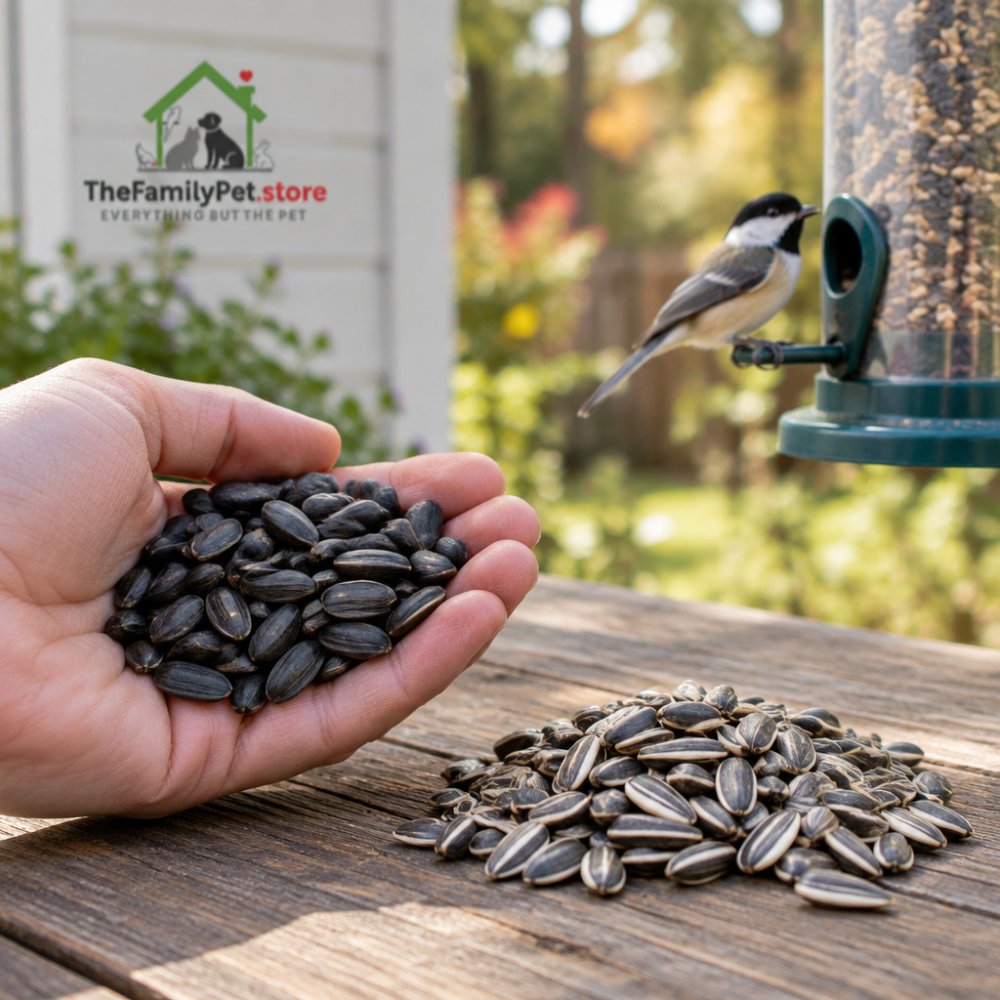
Striped sunflower seeds have thicker shells and less oil, so they're less popular with smaller birds and tend to leave more waste. They can still be a fine choice for larger birds that enjoy cracking them. For most backyard feeders, black-oil sunflower seeds are the better everyday pick.
If you want a bulk option for your feeders, the Shafer Sunflower Seed Striped 20lb is a reliable choice for larger birds that enjoy cracking striped seed.
Bird Seed Fillers to Avoid on the Label
Fillers are cheap ingredients that add weight and bulk to a bag without giving birds much nutrition. They're the main reason a big, inexpensive bag can end up costing you more in the long run: birds sort through the mix, eat the good stuff, and kick the rest onto the ground. Here's how to spot the most common ones.
Milo (sorghum). Small, round, reddish-brown seeds. Some larger birds will eat milo, but many songbirds ignore it and toss it aside. A bag that lists milo first or second is usually bulked up with it.
Wheat and other cereal grains. Wheat, oats, and similar grains are inexpensive and filling, but most backyard songbirds aren't built to crack them open. They tend to end up under the feeder.
Red millet and dyed seeds. Red millet is often used as cheap bulk, and some mixes coat seeds in red dye to make them look more appealing. The dye adds nothing nutritionally, and many birds prefer plain white proso millet.
Peanut hearts and split peanuts. These aren't always bad, but they're a common way to add weight cheaply. Whole peanuts and peanut pieces are a better signal of quality than hearts alone.
Bread crumbs, crackers, and bakery waste. Some budget mixes include processed grain byproducts. These offer little nutrition and can go moldy quickly once they're outside.
A quick rule of thumb: read the first three ingredients. If they're sunflower, peanuts, or white millet, you're looking at a mix built for birds. If they're milo, wheat, or red millet, expect a lot of waste under the feeder. A mix built on sunflower, millet, and nuts usually performs better and leaves less mess to clean up.
Watch out: a mix that looks full of seed in the bag can be mostly filler by weight, so judge by what's listed first, not by how colorful the bag looks.
Here's a quick look at the most common fillers and what they tend to do in your yard.
| Filler | What birds do | How to spot it |
|---|---|---|
| Milo (sorghum) | Many songbirds ignore it and toss it aside | Small, round, reddish-brown seeds |
| Wheat and cereal grains | Most songbirds can't crack them open | Often ends up under the feeder |
| Red millet and dyed seeds | Dye adds nothing nutritionally | Red color; plain white millet is preferred |
| Peanut hearts and split peanuts | Cheap way to add weight | Whole peanuts signal better quality |
| Bread crumbs and bakery waste | Little nutrition and can go moldy quickly | Processed grain byproducts |
Matching Seed Types to the Birds in Your Yard
Different birds have different tastes, so the right mix depends on who visits your yard. Finches and chickadees usually go for sunflower and nyjer. Doves and sparrows prefer millet and cracked corn on the ground. Woodpeckers and nuthatches favor suet and peanut pieces.
If you're feeding parrots or other pet birds, you'll want a formula built for their diet. Our best bird food for parrots guide covers vet-recommended options for those species.
What to Feed Birds from the Kitchen (and What to Skip)
Plenty of kitchen scraps are tempting to toss out for the birds, but some can make them sick. Safe options include plain cooked oatmeal, unsalted nuts, and small pieces of fruit. Stick to unseasoned foods, since salt, sugar, and spices can harm birds.
Skip bread, chocolate, avocado, and anything moldy or fried. Bread fills birds up without nutrition, and the other items can be toxic. When in doubt, stick to bird-specific food.
Protein, Fat, Storage, and Seasonal Feeding Basics
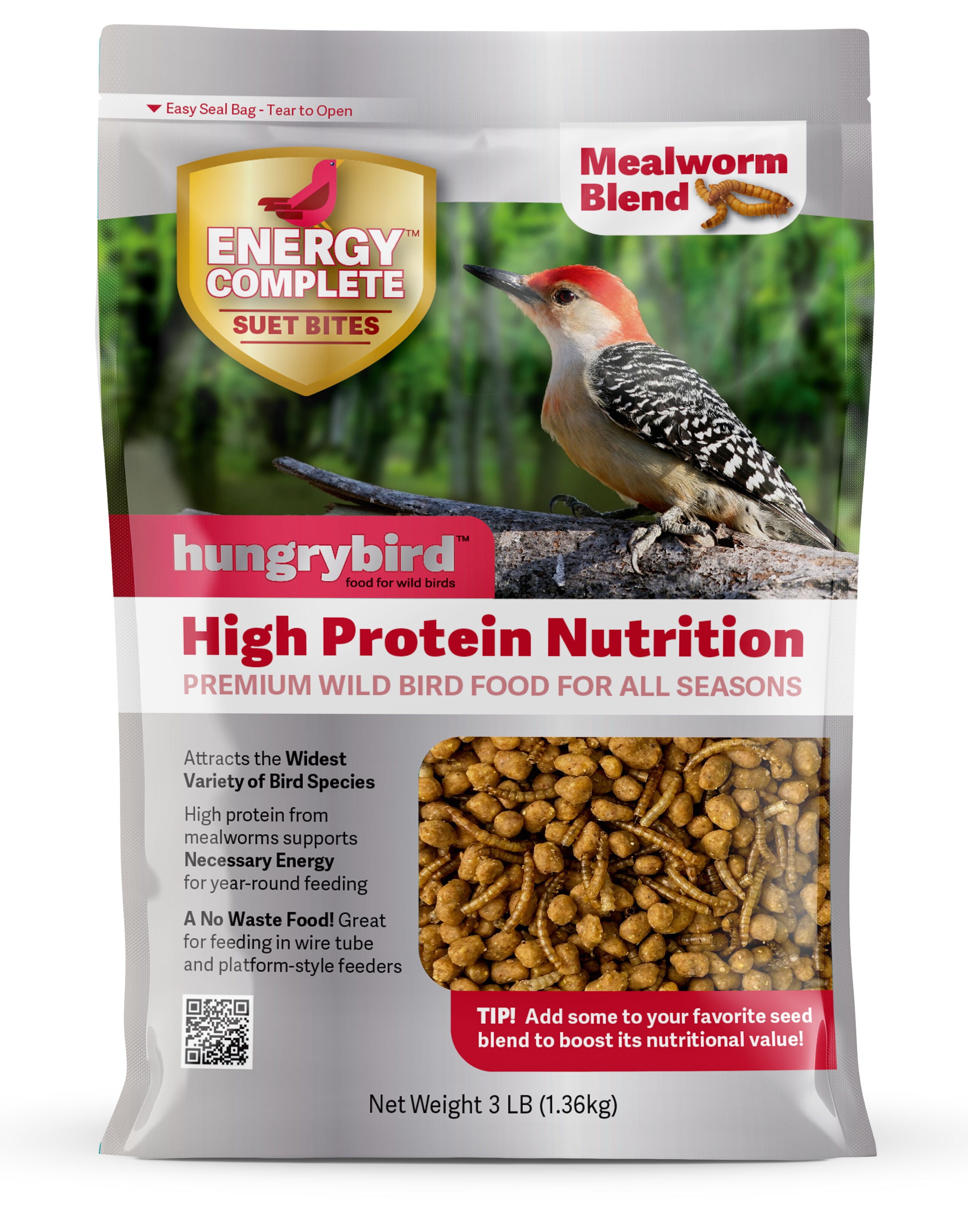
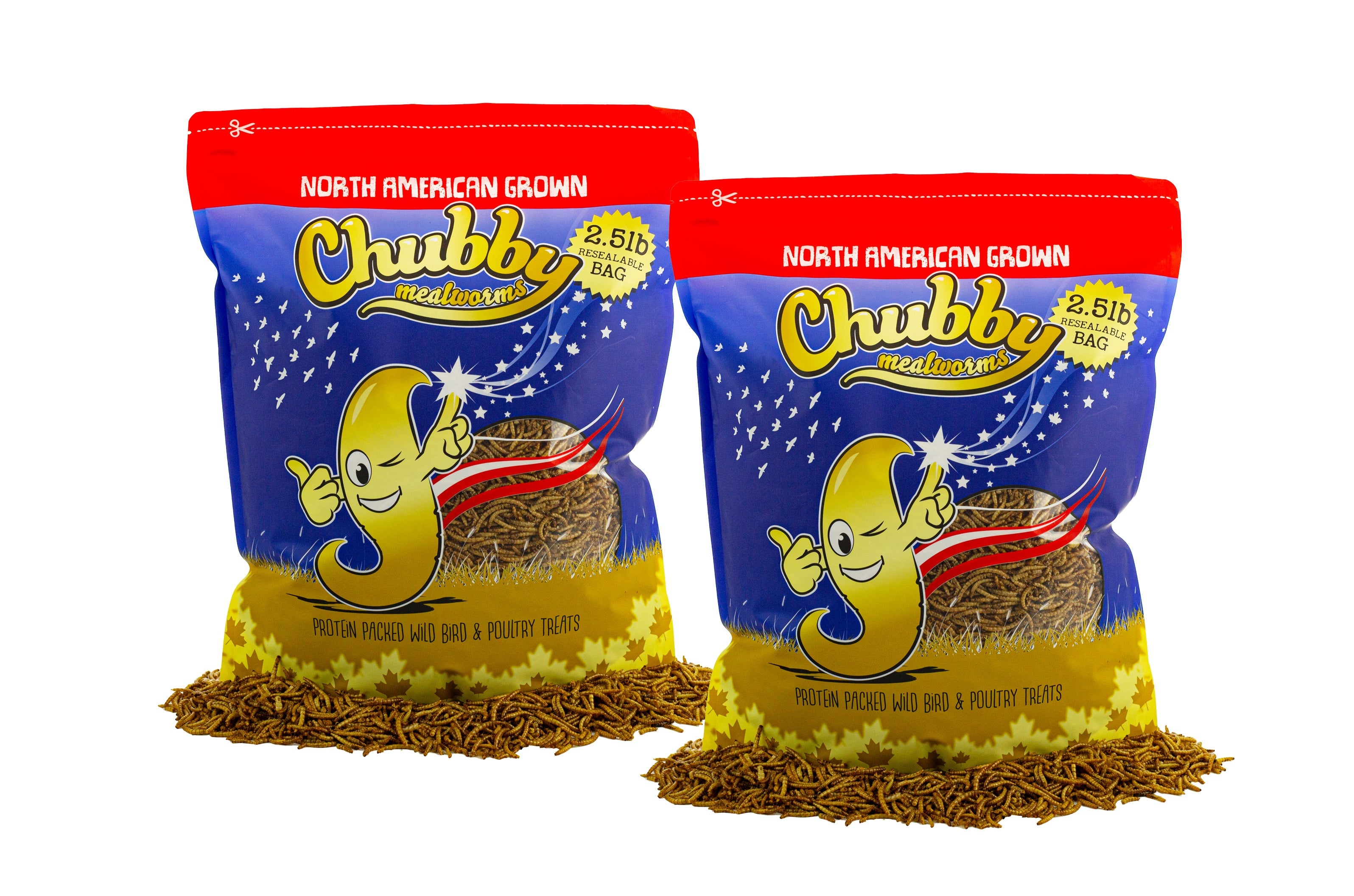
Protein and fat are the two numbers to watch. Protein supports feather growth and egg-laying, while fat provides the energy birds need to get through cold nights. Mealworms, nuts, and sunflower hearts are excellent sources of both. For extra winter energy, the Better Bird Nut Fruit 4 Lb blend offers a nutrient-rich mix, and the 3lb Hungrybird Energy Complete Suet Bites Mealworm gives a high-protein, high-energy option you can order right away. For a high-protein boost, the Chubby North American Dried Mealworms are a simple add-on for birds that enjoy them.
Seasonally, birds need more fat in fall and winter to stay warm, and more protein in spring when they're molting and raising young. A mix that's heavy on sunflower and suet works well in cold months, while mealworms and nuts help in spring.
Storage and freshness. Seed starts losing quality the moment a bag is opened. Keep it in a cool, dry, sealed container, a metal or heavy plastic bin with a tight lid works well, and store it away from heat and sunlight. Buy in quantities you'll use within a few months, and check bags for a musty smell or clumping before you fill your feeder. Fresh seed should smell faintly nutty, not sour.
The safety side most guides skip. Moldy or damp seed can carry mycotoxins, which are harmful to birds and can build up in a feeder that isn't cleaned regularly. Empty and scrub feeders every couple of weeks, let them dry fully, and throw out any seed that looks wet, clumped, or discolored. Seed that has been sitting in a bin may have been exposed to moisture, so inspect it closely before buying.
Keeping pests out. Rodents are attracted to spilled seed and open bags. Store seed in sealed containers, clean up hulls under feeders, and avoid leaving seed out overnight in areas where rodents are active. If you notice droppings near a storage bin, discard the seed rather than risk contamination.
Watch out: seed that smells musty or has visible mold should never go into a feeder, even if most of the bag looks fine, the mold isn't always visible on every seed.
Buying Higher-Quality Bird Food with Confidence
When you shop, look for a short ingredient list where the main items are seeds or nuts you recognize. Avoid mixes that lead with filler grains. Check for a clear "best by" date, and buy from a retailer that restocks often so your food stays fresh.
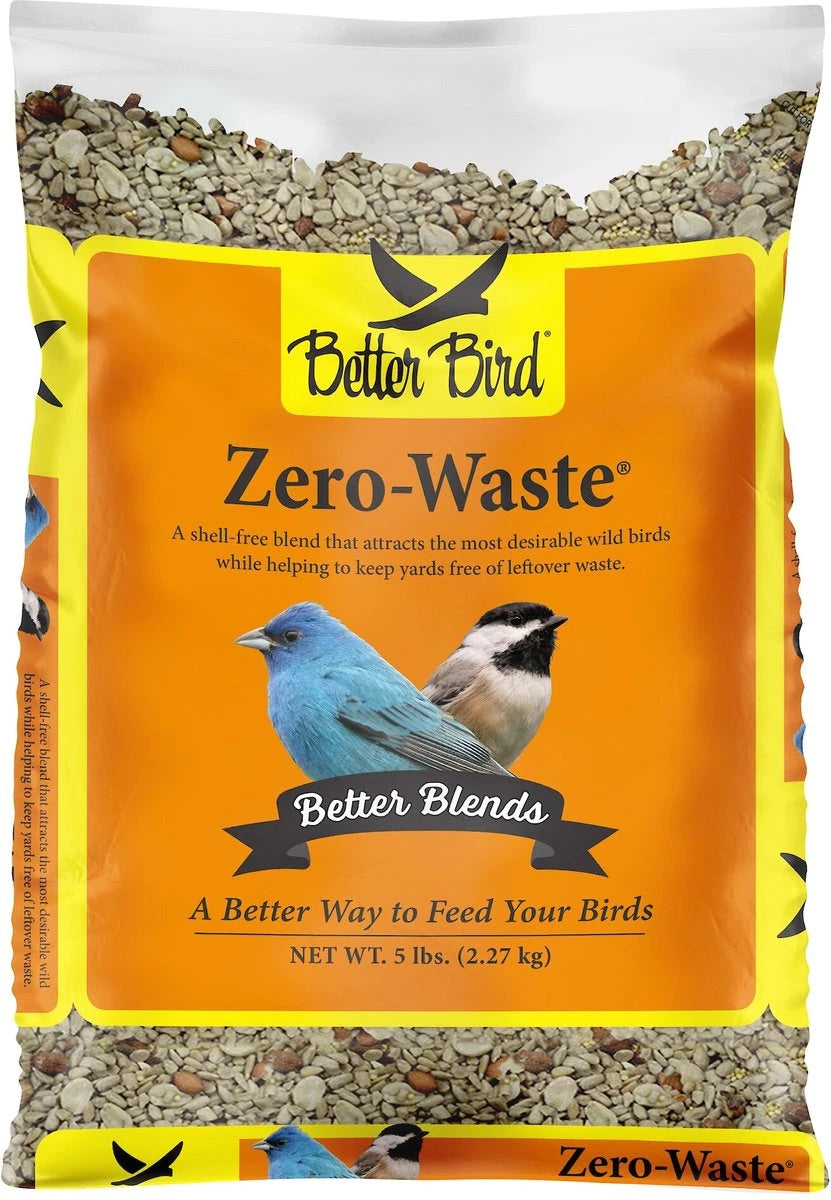
Our Better Bird Zero Waste 5lb mix is built around that same idea: clean ingredients and very little waste.
Cornell Lab of Ornithology guide to feeding birds
U.S. Fish and Wildlife Service bird feeding advice
ASPCA toxic foods list for animals
Frequently Asked Questions
What is the healthiest thing to feed birds?
A good mix of black-oil sunflower seeds, white proso millet, and unsalted peanut pieces covers most backyard birds. Black-oil sunflower seeds have a thin shell and a rich fat content, which gives birds the energy they need, especially in cold months. Look for blends where the first ingredients are whole seeds or nuts, not grain fillers. Fresh water is just as important as the food itself, so keep a shallow bowl clean and filled year-round.
Which common bird seed fillers should be avoided?
Red milo, wheat, and cracked corn are the fillers most often found in cheap seed blends. Most birds, including cardinals, finches, and chickadees, tend to kick these seeds to the ground rather than eat them, which means the seed piles up and can attract pests or mold. Check the ingredient list on the bag: if filler grains appear near the top, the blend probably contains more filler than seed. Choosing blends with mostly sunflower, millet, and nuts gives you more food for your money.
What are some common bird food ingredients to avoid?
Salted nuts, bread, chips, and moldy or stale seed should never go in a feeder. Salt and seasonings can harm a bird's kidneys, and bread offers little nutrition. Avoid honey-based treats or anything containing added sugar, too. Dried fruit is fine in small amounts, but stick with plain, unseasoned options. When in doubt, pick plain seeds, nuts, or suet and skip anything processed.
Why put a potato in a bird feeder?
Some backyard birdwatchers cut a plain, cooked, unseasoned potato in half and hang it up as a simple treat, especially for woodpeckers and jays that like starchy food. Raw potatoes are not a good choice, and potatoes should never be salted or fried. Think of a plain potato as an occasional extra rather than a main meal, and remove any leftovers before they spoil or attract pests.
How should bird food be stored to keep it fresh?
Store seed in a cool, dry place inside a sealed, airtight container. Moisture is the biggest enemy, because damp seed can grow mold that is harmful to birds. Buy smaller bags you can finish within a few weeks, especially in humid months. Clean feeders regularly and refill them with fresh seed instead of topping off old food. Good storage keeps the fats in seeds from going rancid and keeps the nutrients intact.


Leave a comment